
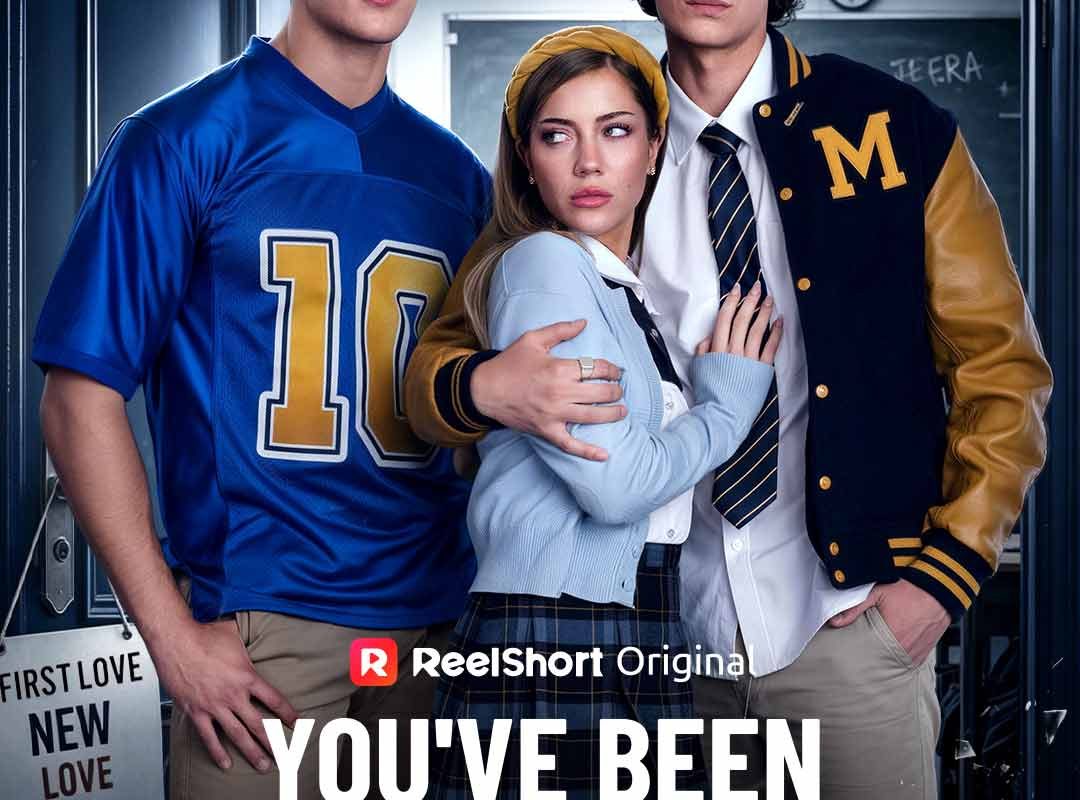
Hey, everyone! How’s it going? Today I’m here to review the drama You’ve Been Replaced, First Love (available on ReelShort), which arrived as a compelling exploration of heartbreak, redemption, and unexpected second chances. This is a series that boldly blends romance with deeper emotional complexity, creating a narrative that transcends typical young adult drama conventions. The premise centers on a protagonist who must navigate the devastating aftermath of betrayal while discovering that healing sometimes comes from the most unexpected sources. What makes this drama particularly special is its unflinching examination of how first love can simultaneously wound us and teach us invaluable lessons about self-worth and resilience. The genre blend of romance, drama, and science-fiction elements creates a unique framework that allows the story to explore both intimate character moments and larger questions about destiny, choice, and whether we’re truly powerless against the forces that shape our romantic lives. This series speaks directly to anyone who’s experienced the particular sting of being undervalued by someone they loved, making it resonate far beyond its target demographic of young adult audiences.
You’ve Been Replaced, First Love is a short-form series optimized for mobile viewing, featuring bite-sized episodes that maintain compelling momentum throughout its narrative arc. Available exclusively on ReelShort, the series showcases the platform’s increasing investment in quality storytelling alongside its signature rapid-fire pacing and cliffhanger-driven structure. The production demonstrates impressive visual cinematography for a digital platform series, with careful attention to lighting, color grading, and composition that elevates intimate scenes beyond typical short-form drama aesthetics. The performances, particularly from lead actress Katherine Gibson, showcase the kind of nuanced emotional work that typically requires longer-form television, compressed into the efficient format ReelShort audiences have come to expect. The series benefits from thoughtful editing that creates maximum emotional impact within time constraints, utilizing quick cuts, strategic pauses, and carefully timed reveals to maintain viewer engagement. What distinguishes this production is its refusal to sacrifice character development for speed, proving that short-form drama can deliver substantial emotional and narrative depth without requiring traditional hour-long episodes.
The series masterfully explores themes of self-respect and personal agency in the context of romantic relationships, examining how young people navigate the complex terrain between vulnerability and self-protection. It delves deeply into the concept of being replaceable versus being truly valued, interrogating what it means to love someone who doesn’t reciprocate that love with genuine care and respect. The narrative examines how trauma and betrayal can paradoxically become catalysts for growth, transforming pain into wisdom and heartbreak into strength. Additionally, the drama explores the unexpected nature of healing connections, suggesting that sometimes the person we need isn’t the person we initially wanted, and that recognizing this shift requires both courage and openness. What truly sets You’ve Been Replaced, First Love apart is its commitment to portraying female agency and emotional honesty without resorting to melodrama or victimhood narratives. The show succeeds in creating a protagonist who experiences genuine hurt without losing her capacity for hope, and in depicting secondary characters with enough complexity that even those who hurt her aren’t rendered as one-dimensional villains.
When Disposability Becomes Dignity: A Journey Through Heartbreak
The story opens with Tessa at her lowest point, having just experienced the public humiliation of discovering that her intimate moments with Jason were never private at all, but rather trophies to be displayed and laughed about among his friends. The opening scenes establish a suffocating atmosphere of shame and betrayal, where Tessa must navigate school hallways that suddenly feel hostile and judgmental. What makes this introduction particularly effective is how the drama avoids sensationalizing her pain; instead, it presents her humiliation with quiet devastation, focusing on small moments—averted eyes, whispered conversations, the weight of unwanted attention. The central conflict emerges when Tessa makes the decision to reclaim her life by literally leaving behind everything that reminds her of Jason and the girl he actually wanted, her former best friend. This isn’t presented as dramatic gesture but as necessary survival, a young woman recognizing that staying would mean slowly erasing herself. The setting of a college campus becomes both prison and launching pad, a place where Tessa must simultaneously process trauma while moving forward into her future.
As the narrative unfolds, Tessa’s carefully constructed plan for solitary healing encounters an unexpected obstacle in the form of another person who refuses to let her disappear into isolation. The series excels at building tension between Tessa’s need for space and this other person’s persistent presence, creating scenes that oscillate between confrontation and unexpected understanding. What keeps viewers hooked is the slow-burn development of trust between characters who initially seem incompatible, paired with the looming question of whether Tessa can ever truly move past her first love or whether Jason’s betrayal will define her romantic future. The drama masterfully weaves in moments of dark humor and genuine lightness that prevent the narrative from becoming overwhelmingly bleak, allowing Tessa’s personality to shine through her pain and demonstrating that trauma doesn’t erase someone’s capacity for joy.
Tessa: The Courage to Choose Yourself
Katherine Gibson brings remarkable depth to Tessa, creating a protagonist who feels authentically seventeen—simultaneously fragile and fierce, capable of both devastating vulnerability and surprising strength. From her first appearance, Tessa is established not as a victim waiting to be rescued but as a young woman actively making the difficult choice to save herself. Her journey from shame-filled silence to vocal self-advocacy showcases the complex emotional work of reclaiming one’s narrative after betrayal. Gibson’s performance captures the specific way trauma lives in the body—the way Tessa sometimes flinches, how she carefully controls her expressions in public spaces, and how genuine laughter gradually returns to her eyes as she begins healing. What makes her portrayal particularly striking is the refusal to make Tessa likeable in a palatable way; she’s sometimes angry, occasionally unfair, and frequently defensive, yet Gibson ensures viewers understand the wounded logic beneath these reactions.
What elevates Tessa beyond typical betrayed-girlfriend tropes is her active resistance to the narrative others try to impose on her. She doesn’t passively accept comfort; she questions it, tests it, and slowly allows herself to believe she deserves more than the crumbs Jason offered. Her relationship with the other major character reveals layers of her character that initially seem hidden—her capacity for trust despite everything, her dry sense of humor, her surprising tenderness. Gibson’s portrayal ensures viewers root for Tessa not because she’s perfectly sympathetic but because she’s real, struggling, and courageously choosing to build a better future. The character represents a thematic statement about female agency and the radical act of prioritizing one’s own wellbeing over romantic connection.
The Unexpected Savior: Complexity Beyond Redemption
The second central character functions as a fascinating counterpoint to Tessa’s journey, a person who could easily be dismissed as the rebound or second choice but who instead emerges as a fully realized character with his own wounds and motivations. This character’s persistence in Tessa’s life could feel manipulative in less careful hands, but the series frames it as a form of care that respects Tessa’s autonomy even while refusing to abandon her. The actor portraying this role delivers a performance that captures the specific vulnerability of someone trying to help without overstepping, of caring deeply while maintaining appropriate boundaries. What’s particularly impressive is how the character’s own insecurities and fears become apparent, revealing that his connection to Tessa isn’t about saving her but about two broken people recognizing something in each other worth protecting.
This character’s journey involves learning that love sometimes means allowing someone space even when every instinct screams to fix their pain. The scenes between Tessa and this character showcase the kind of emotional intelligence rarely seen in young adult romance narratives—conversations that meander, moments of awkward silence, instances where both parties misunderstand each other and have to navigate that confusion. The character represents the possibility of healthy connection, not as a reward for suffering but as something that emerges when two people choose vulnerability with each other. His presence in the narrative fundamentally challenges the notion that first love is the only love that matters, suggesting instead that sometimes the person who matters most arrives unexpectedly, after we’ve stopped looking.
The Architecture of Healing: How Broken Things Become Beautiful
One of the series’ greatest strengths lies in its portrayal of the non-linear nature of emotional recovery, depicting how healing isn’t a straight path from pain to wholeness but rather a complicated spiral where bad days can emerge after good ones, and where progress sometimes feels like regression. The drama includes specific scenes where Tessa encounters Jason or his new girlfriend, forcing her to confront her pain in real time rather than safely within her own mind. These moments resonate because they acknowledge the particular cruelty of living in the same community as someone who hurt you, the impossibility of complete avoidance, and the gradual strength that comes from facing what you’d rather escape. The series uses careful cinematography and music to enhance these confrontations, sometimes allowing silence where viewers might expect dramatic confrontation, trusting that the emotional weight of the moment speaks loudly enough.
These moments work because they’re rooted in emotional truth rather than melodramatic escalation. The series demonstrates that sometimes the bravest thing isn’t dramatic revenge or public vindication but simply existing in the same space as someone who hurt you without letting that hurt define your presence. Viewers find themselves moved not by grand gestures but by small acts of self-preservation and self-respect—Tessa choosing to leave a conversation when it becomes toxic, deciding to attend an event despite knowing Jason will be there, allowing herself to laugh even when she still feels broken. This approach elevates the series from typical young adult romance fare to something more psychologically honest and emotionally sophisticated, creating space for the messy reality of how people actually heal.
ReelShort’s Perfect Vehicle for Contemporary Romance
You’ve Been Replaced, First Love has found its ideal home on ReelShort, where the platform’s strength in delivering rapid-fire emotional beats perfectly suits the story’s intensity and pacing. The series has garnered significant viewership within ReelShort’s community, with audiences responding enthusiastically to its refusal to sanitize the emotional complexity of young adult heartbreak. What distinguishes it in ReelShort’s extensive catalog is the production quality combined with genuine character development—many short-form dramas prioritize plot over people, but this series invests equally in both. The episode structure allows viewers to consume the story in digestible chunks while maintaining the kind of momentum that makes binge-watching irresistible, with each episode ending at moments that demand immediate continuation.
The show particularly appeals to viewers who’ve experienced their own romantic disappointments and who appreciate stories that validate the legitimacy of that pain without wallowing in victimhood. Its success demonstrates the appetite for young adult romance that treats its characters and audience with intellectual respect, refusing easy answers or simplified emotional resolutions. If you love romance with genuine emotional stakes, drama that explores the complicated aftermath of betrayal, and stories featuring complex female protagonists who choose themselves, You’ve Been Replaced, First Love is absolutely essential viewing.
From Disposable to Irreplaceable: A Transformation Worth Witnessing
You’ve Been Replaced, First Love represents a significant achievement in short-form drama storytelling, proving that meaningful character development and emotional complexity don’t require traditional television formats. It’s a series that will stay with viewers long after the final episode, not because of dramatic plot twists but because of its honest portrayal of how we survive heartbreak and discover our own worth. The combination of authentic performances, thoughtful writing, and visual sophistication creates an unforgettable viewing experience that challenges the notion that young adult romance must be either frivolous or tragic. For viewers seeking stories about resilience, unexpected connection, and the courage required to choose yourself, this drama delivers on every level with grace, humor, and hard-won hope.
